
Notes feel crowded
Raise note speed slightly, then replay an easy chart. Faster spacing can be easier to read even though notes move quicker.
Dream Park field manual · Updated July 25, 2026
Learn how the rhythm game, quests, park, characters, and team growth fit together—then use that understanding to decide what to do next.

Chapter one
hololive Dreams works best when each mode gives the next one a reason to exist. A Live is not isolated score-chasing; it feeds the character and park decisions that bring you back to another performance.
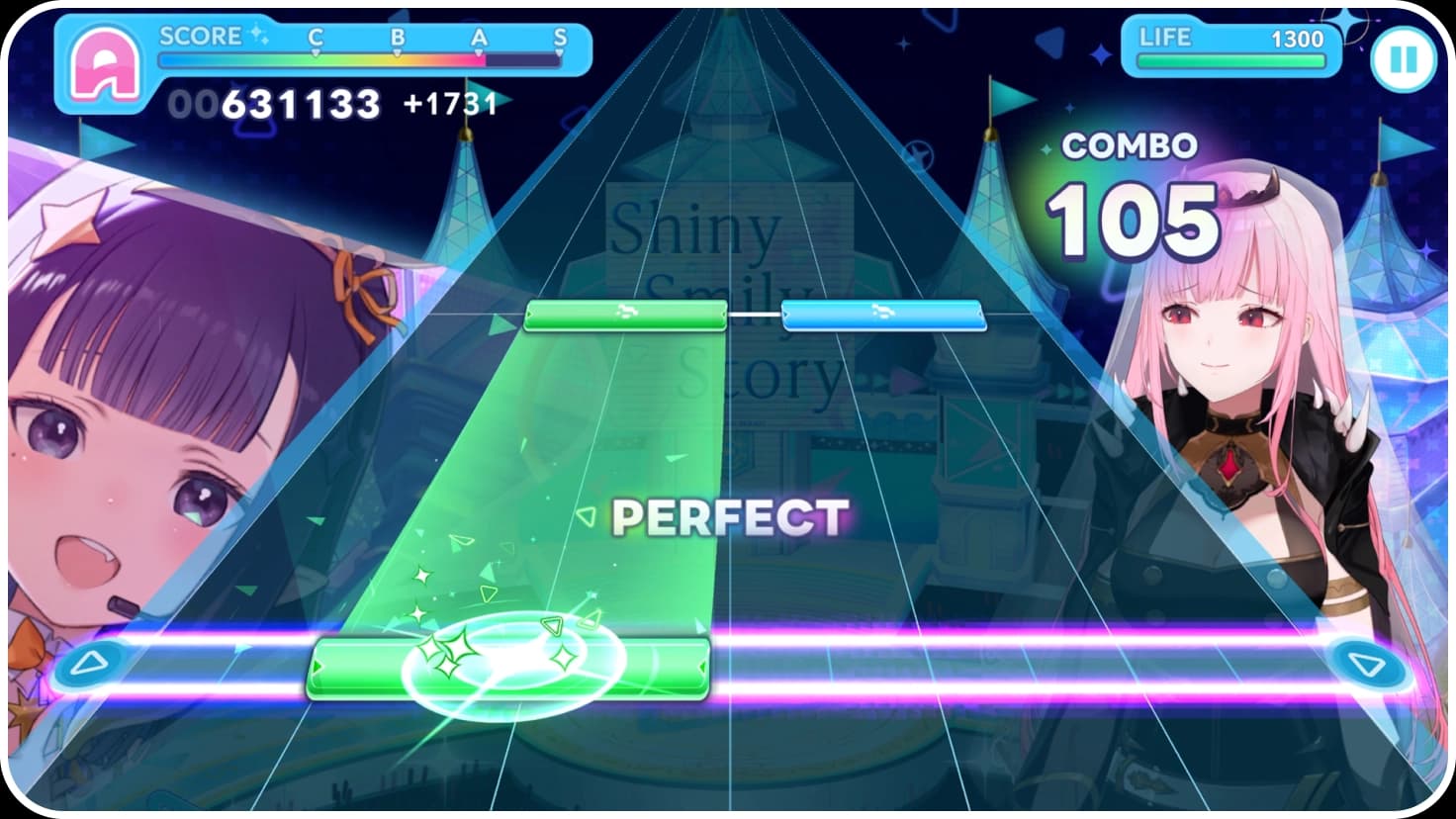
Pick a song and a comfortable difficulty. Clean timing matters more than forcing a chart that breaks your combo.
Quests give the park a direction. Use them to learn which activity, character, or facility the game wants you to meet next.
New facilities turn the island into a useful hub. Check what each unlock changes before spending everything at once.
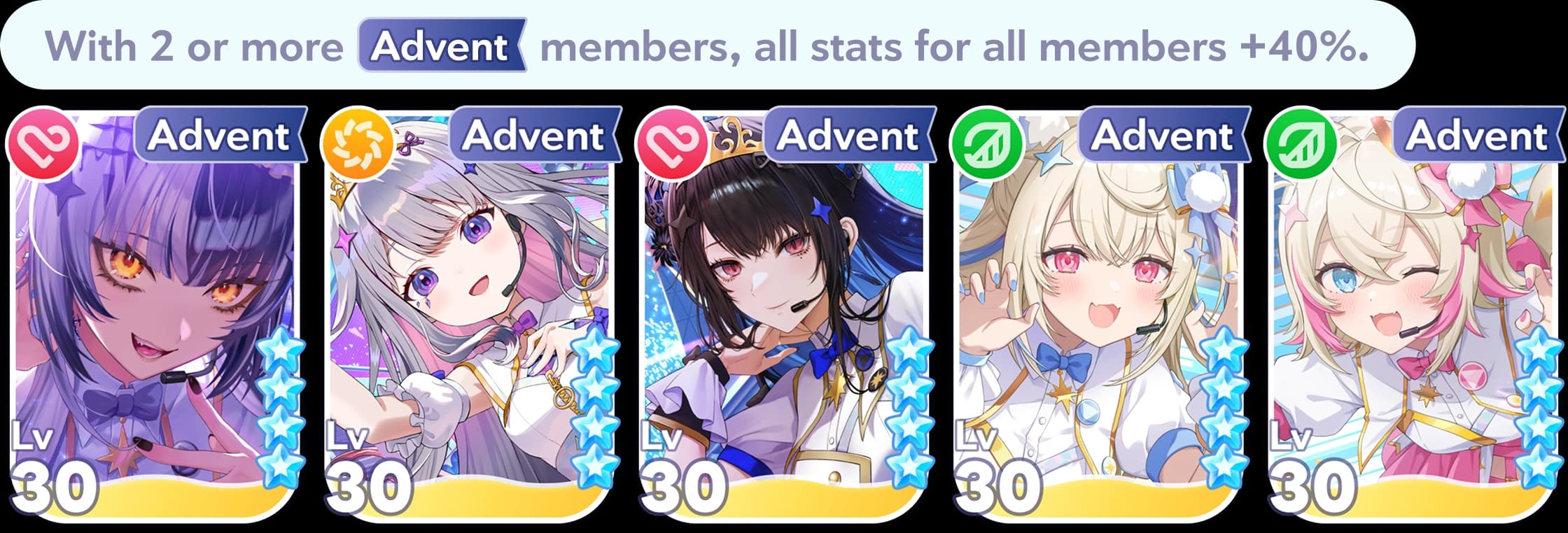
Choose a Leader, arrange the lineup, and use board nodes to solve a real weakness instead of chasing every upgrade.
Go back to Lives with a clearer goal: a quest, a score target, a character objective, or simply a song you enjoy.
Chapter two
The same character can appear across several game layers. Keep the layers separate and your team decisions become much easier to read.
 First-session route
Chapter three
Choose a favorite you want to keep seeing. Early motivation is more useful than an imaginary perfect pick.
Set note speed and timing so the lane is readable. Change one setting at a time and replay the same easy song.
Let quests introduce the park. They are the cleanest way to learn why Lives, characters, facilities, and teams connect.
Save deep optimization for later. Early resources teach you more when they solve a visible problem.
Chapter four
One careful change teaches you more than five guesses. Use the left column to name the problem, then try only the matching move.
Raise note speed slightly, then replay an easy chart. Faster spacing can be easier to read even though notes move quicker.
Adjust timing in a small step and test the same section again. Do not change speed and timing together.
Return to the active quest and check the next park or character requirement before repeating random activities.
Read the Leader effect and board choices together. A lineup needs a plan, not just individually upgraded pieces.
Keep exploring